
why make this recipe
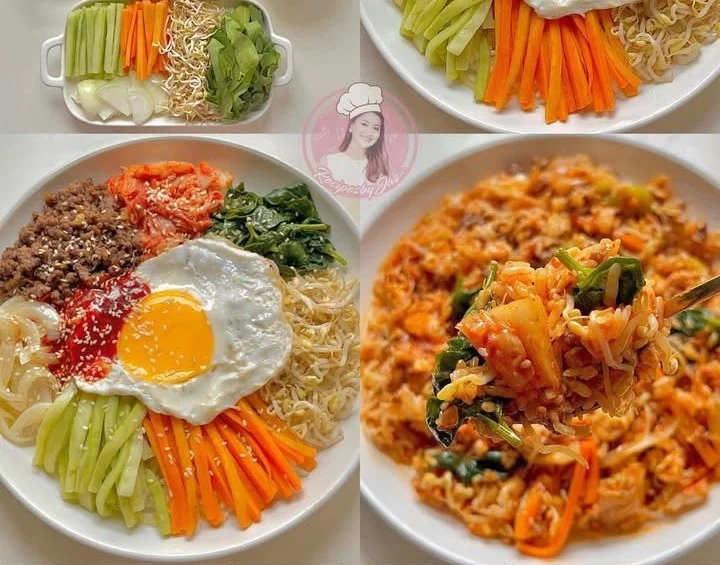
Bibimbap is a delightful Korean dish that is packed with flavor and nutrients. It offers a colorful mix of vegetables, protein, and rice, making it not only delicious but also visually appealing. This dish allows you to be creative with different vegetables and toppings, catering to your taste. Plus, it’s a complete meal that is simple to prepare, making it perfect for any occasion.
how to make Bibimbap
Ingredients:
- 2 cups cooked rice
- 1 cup assorted vegetables (e.g., spinach, carrots, zucchini, bean sprouts)
- 1 egg
- 2 tablespoons gochujang (Korean chili paste)
- 1 tablespoon sesame oil
- Sesame seeds
- Green onions for garnish
Directions:
- Cook rice according to package instructions.
- Sauté each vegetable separately in sesame oil until tender.
- Fry an egg sunny-side up.
- To serve, place rice in a bowl and arrange the sautéed vegetables on top.
- Place the fried egg in the center, drizzle with gochujang, and sprinkle sesame seeds and green onions.
- Mix ingredients together before eating.
how to serve Bibimbap
Serve Bibimbap warm in a bowl. You can add additional gochujang for extra spice if desired. It’s best enjoyed right after mixing the ingredients together, allowing all the flavors to blend.
how to store Bibimbap
If you have leftovers, store them in an airtight container in the refrigerator. It’s best to keep the ingredients separate before mixing. The rice can last for 3-4 days, but it’s best eaten fresh to enjoy the textures of the vegetables.
tips to make Bibimbap
- Use fresh vegetables for the best flavor and nutrition.
- You can replace the egg with tofu or other protein options for a vegan version.
- Adjust the amount of gochujang to suit your spice preference.
- Experiment with different vegetables based on what you have available.
variation
You can make Bibimbap your own by changing up the vegetables or adding proteins like beef, chicken, or seafood. You can also try adding kimchi for an extra kick.
FAQs
1. Can I make Bibimbap in advance?
Yes, you can prepare the vegetables and rice ahead of time. Just store them separately and assemble before serving.
2. Is Bibimbap spicy?
The spice level depends on how much gochujang you use. You can add it gradually to control the heat.
3. What can I substitute for gochujang?
If you can’t find gochujang, you can use sriracha or another chili paste, but the flavor will change slightly.
Bibimbap
Ingredients
Method
- Cook rice according to package instructions.
- Sauté each vegetable separately in sesame oil until tender.
- Fry an egg sunny-side up.
- Place rice in a bowl and arrange the sautéed vegetables on top.
- Place the fried egg in the center, drizzle with gochujang, and sprinkle sesame seeds and green onions.
- Mix ingredients together before eating.