
When the craving for bold, savory, slightly sweet
Korean flavors hits but you don’t have time for
a complicated recipe, this Easy Korean Beef is
exactly what you need. Made with ground beef
and a simple homemade sauce of soy sauce, brown
sugar, sesame oil, garlic, and ginger, this dish
comes together in one skillet in under 20 minutes
and delivers restaurant-quality flavor at a
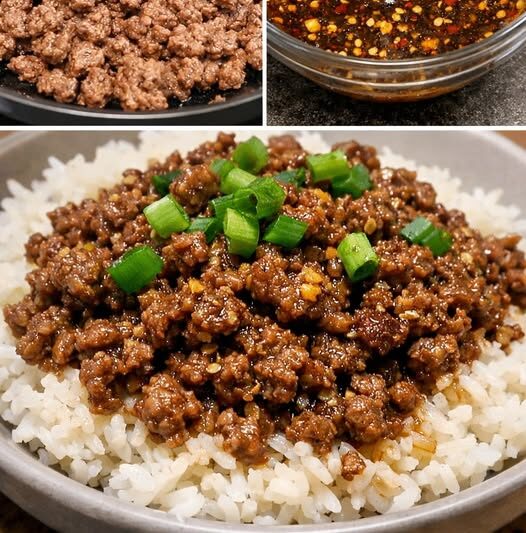
fraction of the cost. Served over steamed white rice and topped with
sliced green onions, this is the kind of meal
that becomes an instant household staple the
very first time you make it.
What Makes This Korean Beef So Good
The secret is in the sauce ratio. The combination
of low sodium soy sauce and dark brown sugar
creates a deep, caramel-tinged savory base that
clings beautifully to the beef. Sesame oil adds
that unmistakable nutty aroma that is the
backbone of Korean-inspired cooking. The garlic
and ginger bring sharp, aromatic heat, while
the red pepper flakes give a gentle, customizable
kick that you can dial up or down to suit
your family.
Cooking the beef until slightly crispy before
adding the sauce is the move that takes this
recipe from good to genuinely great. Those
crisped bits of beef hold onto the sauce
differently than soft ground meat — creating
pockets of intense flavor in every bite.
Ingredients You’ll Need
For the beef:
- 2 pounds ground beef
For the sauce:
- ¾ cup low sodium soy sauce
- ½ cup dark brown sugar
- 3 teaspoons sesame oil
- 1 teaspoon rice vinegar
- ½ to 1 teaspoon red pepper flakes
- 1 tablespoon minced garlic
- 1 teaspoon minced ginger
- 1 tablespoon cornstarch (optional, for a
thicker sauce)
For serving:
- Steamed white rice
- Sliced green onions
Step-by-Step Instructions
Step 1: Brown and Crisp the Beef
Heat a large skillet over medium-high heat.
Add the ground beef and cook, breaking it
apart as it browns. The key here is patience —
allow the beef to cook long enough that some
pieces become slightly crispy and caramelized
at the edges. This texture is what sets this
dish apart. Once cooked through, drain the
excess grease thoroughly.
Step 2: Make the Sauce
While the beef cooks, whisk together the soy
sauce, dark brown sugar, sesame oil, rice
vinegar, red pepper flakes, minced garlic,
and minced ginger in a bowl until the sugar
is fully dissolved. If you prefer a thicker,
glossier sauce that coats the beef more
heavily, whisk in the tablespoon of cornstarch
at this stage until completely smooth.
Step 3: Combine and Simmer
Pour the sauce over the drained cooked beef
in the skillet. Stir to coat every piece of
meat evenly. Cook over medium heat for
approximately 5 minutes, stirring occasionally,
until the sauce has reduced slightly and
thickened into a glossy coating around
the beef. If you added cornstarch, the
sauce will thicken noticeably during
this stage.
Step 4: Serve
Spoon the Korean beef generously over bowls
of steamed white rice. Top with sliced green
onions and serve immediately while hot.
Tips for the Best Results
Use dark brown sugar, not light. Dark
brown sugar has a higher molasses content
which gives the sauce a deeper, richer
flavor that is closer to the authentic
Korean bulgogi-inspired taste this dish
is going for. Light brown sugar works
in a pinch but the depth of flavor
is noticeably different.
Don’t rush the browning. The slightly
crispy edges on the ground beef are not
just a texture detail — they create small
caramelized bits that absorb the sauce
differently and deliver concentrated
bursts of flavor throughout the dish.
Give the beef time to develop that color.
Drain the grease well. Excess grease
left in the pan will dilute the sauce
and prevent it from reducing into that
glossy, clingy coating. Drain thoroughly
before adding the sauce.
Adjust the heat to your preference.
Half a teaspoon of red pepper flakes
gives a mild, background warmth that
most people enjoy. A full teaspoon
brings noticeable heat. Start mild
and add more at the table if needed.
Fresh garlic and ginger make a difference. Pre-minced jarred versions
work in a time crunch but fresh garlic
and freshly grated ginger deliver
significantly brighter, more aromatic
flavor in the finished sauce.
Serving Suggestions
Korean beef over steamed rice is the classic
and most satisfying presentation, but there
are many ways to enjoy this dish:
- Rice bowls: Layer over jasmine or
short-grain white rice with cucumber
slices, shredded carrots, and a drizzle
of sriracha for a full Korean-inspired
bowl meal. - Lettuce wraps: Spoon into butter
lettuce cups with rice and a little
hoisin sauce for a lighter, hand-held
version. - Noodles: Toss with cooked ramen
noodles or lo mein noodles instead
of rice for a heartier, noodle-forward
variation. - Meal prep bowls: Divide between
containers with rice and steamed
broccoli for ready-made lunches
throughout the week.
Variations to Try
Add vegetables: Stir in thinly sliced
bell peppers, shredded cabbage, or snap
peas during the last 2 minutes of cooking
for added color, crunch, and nutrition.
Mushroom addition: Sauté sliced shiitake
or cremini mushrooms with the beef for an
earthy depth that complements the soy and
sesame beautifully.
Spicy gochujang version: Add a tablespoon
of gochujang (Korean chili paste) to the
sauce for a more authentically Korean
flavor profile with deeper, fermented heat.
Ground turkey swap: Substitute ground
turkey for a leaner version that works
just as well with this sauce. Ground
chicken also works beautifully.
Fried egg on top: Finish each bowl
with a fried egg for extra richness —
the runny yolk mixing into the saucy
beef and rice is absolutely incredible.
Meal Prep and Storage
Refrigerator: Store cooled Korean beef
in an airtight container for up to 4 days.
The flavor actually deepens overnight as
the beef continues to absorb the sauce.
Freezer: This recipe freezes
exceptionally well. Portion into
freezer-safe bags or containers and
freeze for up to 3 months. Thaw
overnight in the refrigerator and
reheat in a skillet over medium heat
with a small splash of soy sauce
to refresh the sauce.
Reheating: Microwave with a damp
paper towel over the bowl to retain
moisture, or reheat in a skillet
with a teaspoon of water or broth
to loosen the sauce back up.
Why This Recipe Earns a Permanent
Spot in Your Rotation
In a world of complicated weeknight dinners
that require long ingredient lists and careful
timing, Easy Korean Beef is a breath of fresh
air. One skillet, one sauce bowl, twenty
minutes, and you have a meal that genuinely
impresses — bold flavor, satisfying texture,
beautiful color over white rice.
It is budget-friendly enough for everyday
cooking, flavorful enough for company,
and flexible enough to reinvent in a
dozen different ways depending on what
you have on hand. Once it enters your
recipe rotation, it tends to stay there
permanently.
Final Thoughts
Easy Korean Beef proves that you do not need
a long ingredient list or hours in the kitchen
to put something truly delicious on the table.
A handful of pantry staples, one skillet, and
twenty minutes are all it takes to create a
meal that the whole family will request again
and again. Make it tonight and find out
exactly why this recipe has become a
weeknight favorite in homes everywhere.
Easy Korean Beef
Ingredients
Method
- Heat a large skillet over medium-high heat. Add the ground beef and cook, breaking it apart as it browns until some pieces become slightly crispy. Drain the excess grease thoroughly.
- While the beef cooks, whisk together the soy sauce, dark brown sugar, sesame oil, rice vinegar, red pepper flakes, minced garlic, and minced ginger until the sugar is fully dissolved. If desired, whisk in cornstarch for a thicker sauce.
- Pour the sauce over the drained cooked beef in the skillet. Stir to coat the beef evenly. Cook over medium heat for approximately 5 minutes, stirring occasionally, until the sauce thickens and becomes glossy.
- Spoon the Korean beef over bowls of steamed white rice. Top with sliced green onions and serve immediately.